Blog
Practical Bathroom Design Tips for Bridgend & Pencoed
Practical tips for designing a brand new bathroom
Designing a brand new bathroom is an opportunity to create a room that matches your lifestyle, improves everyday routines and adds lasting value to your home. These tips for designing a brand new bathroom cover layout, finishes, lighting and practical considerations so you can plan a space that looks great and works well.
Start with a clear plan and layout
Begin by defining how the room will be used. Will it be a family bathroom, an en-suite for one person, or a luxurious relaxation space? Understanding intended use helps determine whether you prioritise a large bath, a spacious shower, storage or dual basins. Sketch a scaled plan or work with a professional to place the key components — bath, shower, WC and basin — so circulation feels natural and nothing feels cramped.
Consider plumbing and drainage runs: reusing existing pipe routes can reduce disruption, while large relocations may require additional trades and planning. For tailored guidance, talk to our bathroom installation specialists via our bathroom installation page.
Prioritise the focal piece
Statement bathtubs often become the centrepiece of a bathroom and can set the tone for the whole design. When choosing a bathtub, think about:
- Size and scale relative to the room — the bath should feel proportionate, not overwhelming.
- Style — freestanding, alcove, or roll-top options each create a different aesthetic.
- Placement — a freestanding bath benefits from a clear view and natural light, while an alcove bath can save space and provide more storage opportunity.
Choose colours and finishes with purpose
Colours and finishes determine the mood and perceived size of the room. Lighter palettes reflect more light and create an airy feel, while deeper tones produce a cosier, more intimate atmosphere. Consider how wall finishes, tiles and joinery work together:
- Large-format tiles can visually expand small spaces and reduce grout lines.
- Contrasting textures — matt tiles with gloss accents, or timber-effect panels with ceramic tiles — add depth without overcrowding the design.
- Pick durable, moisture-resistant materials in high-use zones to keep maintenance straightforward.
Make greater use of available space
Removing an old bathroom often reveals areas that were previously underused. Use those opportunities to improve functionality:
- Corner basins or angled vanity units free up floor space in small rooms.
- Built-in storage, recessed shelving and mirrored cabinets combine storage with visual openness.
- Think vertically — tall, slim cupboards make the most of height without taking up precious floor area.
Careful planning will help you create a layout that feels more spacious and uncluttered.
Get the lighting right
Lighting has a similar impact to colour on how a bathroom feels. Layered lighting — combining ambient, task and accent lighting — delivers functionality and atmosphere:
- Ambient lighting provides overall illumination; recessed downlights or ceiling fixtures work well.
- Task lighting around mirrors is essential for grooming; aim for even, glare-free illumination at face height.
- Accent lighting highlights architectural features or creates mood, for example under-cabinet LEDs or backlit mirrors.
Position mirrors to amplify natural light and reflect well-planned artificial lighting. Factor in bathroom shape and ceiling height when choosing fittings, and always select fixtures rated for use in bathrooms to meet safety requirements.
Essential practical considerations
Alongside aesthetics, several practical elements are crucial for a successful installation:
- Ventilation — adequate extraction reduces condensation and protects finishes.
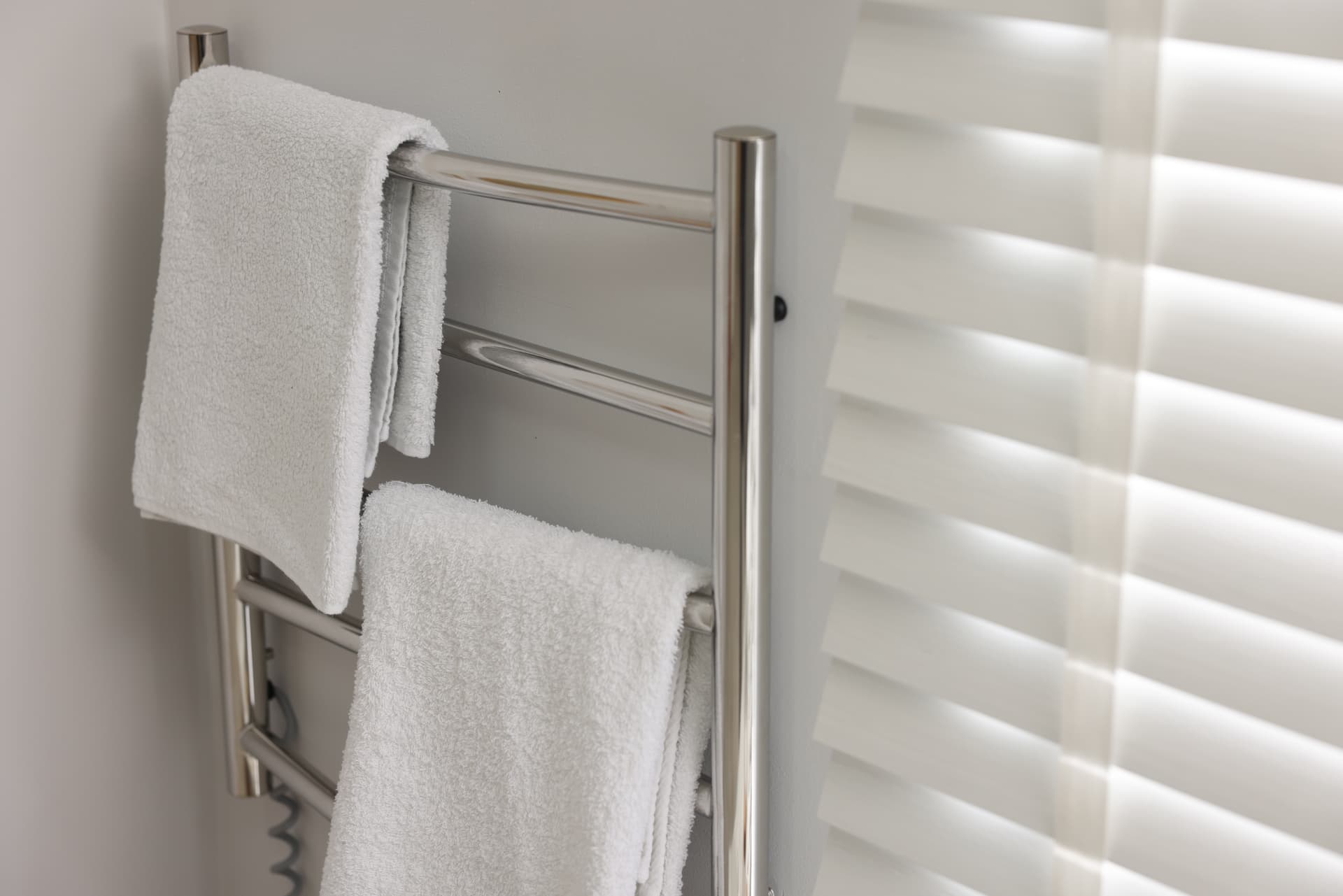
- Heating — underfloor heating or heated towel rails add comfort and help dry the room.
- Waterproofing — ensure wet zones are properly tanked and tiled to prevent leaks and damage.
- Accessibility — consider future-proofing with level-access showers, wider doorways or lower thresholds if mobility could become an issue.
Working with professionals and next steps
Designing and installing a new bathroom often involves multiple trades. A professional installer can coordinate plumbing, tiling, electrics and heating, reduce delays and ensure compliance with building regulations. If you’d like help turning ideas into a practical plan, contact our team to discuss your requirements and request a detailed quote.
We install bathrooms across Bridgend, Pencoed, Coity, Ogmore Vale, Nantymoel, Sarn, Bryncethin, Brynna, Gilfach Goch and Rhondda Valley. To get started, call us on 07591 607154, email carwyn.roberts@hotmail.co.uk or use our contact form. We can advise on layout options, suitable materials and the project timeline.
Further reading
- Why you should hire a professional plumber — practical reasons to use qualified tradespeople for plumbing and installations.
- Signs you have a faulty boiler — useful if you are also planning heating upgrades alongside a bathroom remodel.
Ready to redesign your bathroom?
Careful planning — from selecting the right focal pieces and finishes to getting lighting and ventilation right — will help you create a bathroom that looks great and performs well. When you’re ready to move forward, get in touch for a personalised consultation and a no-obligation quote from our bathroom installation team.
Other Articles